
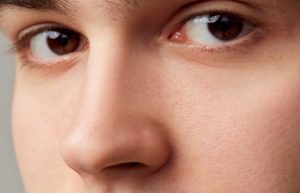
Saddle nose deformity occurs when the bridge of the nose collapses, creating a concave or “scooped” appearance. While trauma is one of the most recognized causes, several autoimmune and inflammatory health conditions can also weaken the nasal cartilage and lead to this structural collapse. Understanding these conditions and their effects on the nose is essential for early diagnosis, prevention, and treatment.
Dr. Maurice Khosh is a double board–certified facial plastic and reconstructive surgeon known for his expertise in complex saddle nose repair. He helps patients restore both nasal function and appearance after damage from disease, injury, or previous surgery.
How Autoimmune Diseases Affect the Nose
The nose relies on strong cartilage to maintain its shape and support proper breathing. Autoimmune conditions can inflame or destroy this cartilage over time. When the supporting structures weaken, the bridge may sink inward, resulting in saddle nose deformity.
Below are some of the most common health conditions associated with cartilage damage in the nose.
Granulomatosis with Polyangiitis (GPA) (formerly Wegener’s Granulomatosis)
GPA is a rare autoimmune vasculitis that inflames small blood vessels. This reduces blood flow to tissues—including nasal cartilage—leading to deterioration. According to the Vasculitis Foundation, GPA affects 3 in 100,000 people, but even mild cases can impact the upper respiratory system.
Symptoms often include chronic sinus infections, nosebleeds, crusting inside the nose, and septal perforation. Over time, cartilage weakening can cause a visible saddle deformity.
Relapsing Polychondritis
Relapsing polychondritis is an inflammatory disorder that attacks cartilage throughout the body, including the ears, joints, and nose. Roughly 60% of patients experience nasal chondritis at some stage, which directly increases the risk of nasal collapse.
Repeated inflammation episodes gradually erode the cartilage, and without treatment, the nasal bridge can lose its structural support.
Sarcoidosis
Sarcoidosis is an inflammatory condition characterized by granuloma formation in organs such as the lungs, skin, and nasal tissue. While nasal involvement is less common, it can cause chronic swelling, crusting, and septal damage.
Over time, granulomas may weaken the septal cartilage enough to produce a saddle nose deformity. African American patients and women tend to be more affected by sarcoidosis, according to CDC statistics.
Other Causes and Contributing Factors
Although autoimmune diseases are major contributors, saddle nose deformity can also result from:
- Nasal trauma or fractures
- Cocaine use or intranasal drug exposure
- Infections, including tuberculosis or syphilis
- Previous rhinoplasty complications
- Septal hematoma following injury
Any condition that compromises cartilage or interrupts its blood supply can potentially lead to structural collapse.
Can Saddle Nose Be Prevented?
While not all cases are preventable, early medical treatment of autoimmune or inflammatory conditions is key. Prevention strategies include:
- Managing autoimmune diseases with medications
- Treating sinus infections promptly
- Avoiding intranasal drug use
- Wearing protective gear during sports
- Monitoring nasal symptoms such as chronic congestion, crusting, or bleeding
Early intervention can reduce inflammation and slow cartilage deterioration.
When Is Saddle Nose Repair Surgery Necessary?
Saddle nose repair becomes necessary when nasal structure and function are significantly affected. Patients often seek treatment when they experience:
- Visible collapse of the nasal bridge
- Difficulty breathing
- Nasal obstruction or whistling sounds
- Facial asymmetry
- Reduced confidence due to cosmetic changes
Surgery is typically the only effective solution once cartilage loss has occurred. Depending on the severity, reconstruction may involve using:
- Septal cartilage (if available)
- Ear or rib cartilage grafts
- Cadaveric grafts
- Advanced structural grafting techniques
Dr. Maurice Khosh specializes in reconstructive rhinoplasty and has extensive experience addressing saddle nose deformities caused by autoimmune disease, trauma, or prior surgery. His approach focuses on restoring both natural appearance and stable long-term breathing function.
Expert Saddle Nose Reconstruction
Saddle nose deformity is physically and emotionally challenging, but expert repair can restore confidence and dramatically improve quality of life. Whether your condition stems from autoimmune disease, injury, or prior procedures, Dr. Khosh offers personalized, meticulous reconstruction tailored to your needs.
Contact Saddle Nose Repair featuring Dr. Maurice Khosh today to schedule a consultation and learn how saddle nose repair can rebuild nasal structure, enhance breathing, and restore natural facial balance.


Words can not express my gratitude for his amazing life-changing work.
I had a tonsillectomy and a Neck Lump removal done on the same day.
Everything that you ever heard or read about tonsillectomy, is a dramatic over-exaggeration of people who can NOT tolerate pain.
I was so ready for a long misery and stressful recovery... Pffttt , turned out to be a really easy experience.
Dr. Khosh did an amazing job!!! Also taking in to consideration that I had 2 surgeries performed on the same day. I was out walking my dogs on day 2. Day 3 Walking dogs, doing some shopping and cooking... day 4 5 and 6 you get the picture. 0 limitations, just listened to my body and didnt overwork myself.
Just want to tell anyone and everyone who is either thinking of or NEEDS to have adult tonsillectomy done - Please don't even think twice. You get a perfect dose of painkillers, and they can solve all your pain-needs.
Dr.Khosh has an amazing warm and friendly personality, with a heart of gold and superb skills.
Susan - my comforting shoulder, and Christine - always happy and positive to brighten your day. I am forever grateful .